Venue Strategy
Identify local businesses where novelty, impulse buys, and foot traffic make a compact card machine easier to position.
Location-first collectible card vending
See how to validate venues, pitch local owners, plan inventory, and build a route around your schedule before committing money to a machine.
What you will understand
Start with the parts that matter most: where the machine can go, why a venue would want it, and how the route can fit your schedule.
Identify local businesses where novelty, impulse buys, and foot traffic make a compact card machine easier to position.
Frame the machine as a low-friction attraction for the venue instead of asking owners to take on another headache.
Think through sealed packs, mystery products, pricing, restock cadence, and inventory tracking without guessing blindly.
Build around simple restock routines and remote visibility so the route can fit around work, family, and existing obligations.
Compare equipment, inventory, and financing options before tying up cash in a machine that may not match your market.
Use early placement feedback to decide where to add locations, where to restock more often, and where to adjust the offer.
How it works
Start with a real placement plan: where the machine could live, who walks by it, and why the owner would want it in their space.
Check your city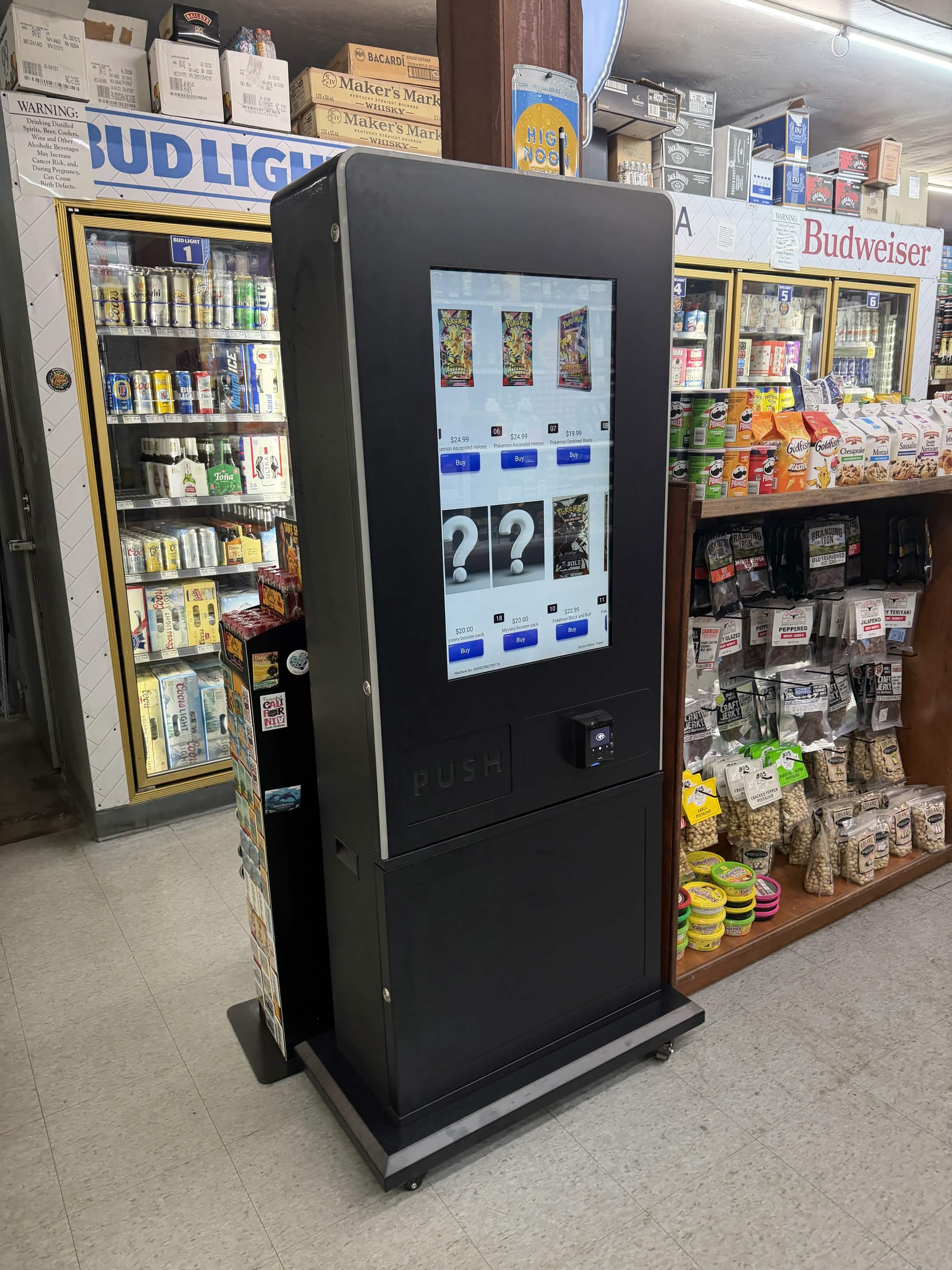
Position the machine as a compact customer attraction that can add excitement without asking the venue to buy inventory or manage fulfillment.
Check placement fit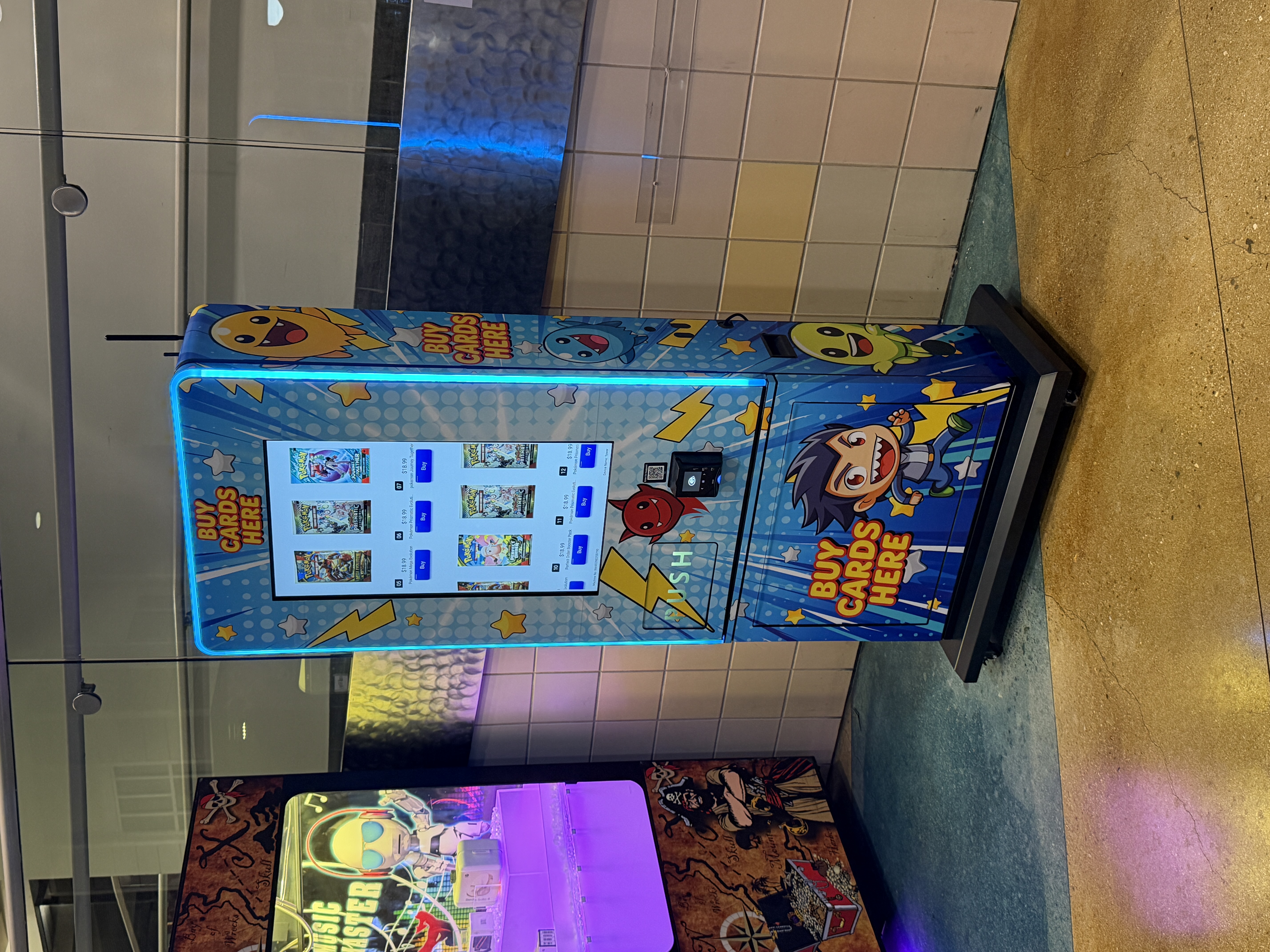
Remote payment data, inventory routines, and product strategy help turn a one-off install into a route you can actually manage.
See if it fits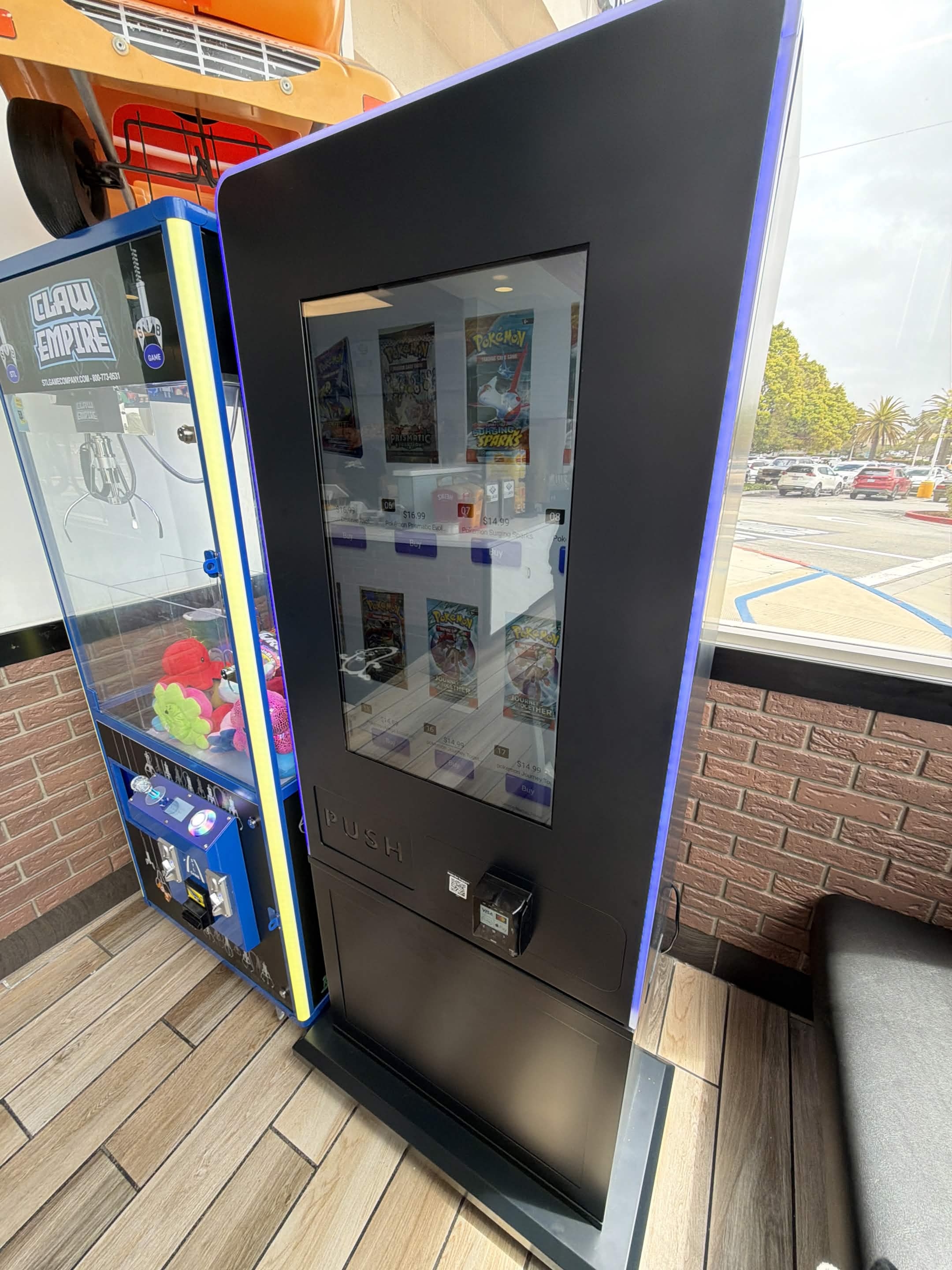
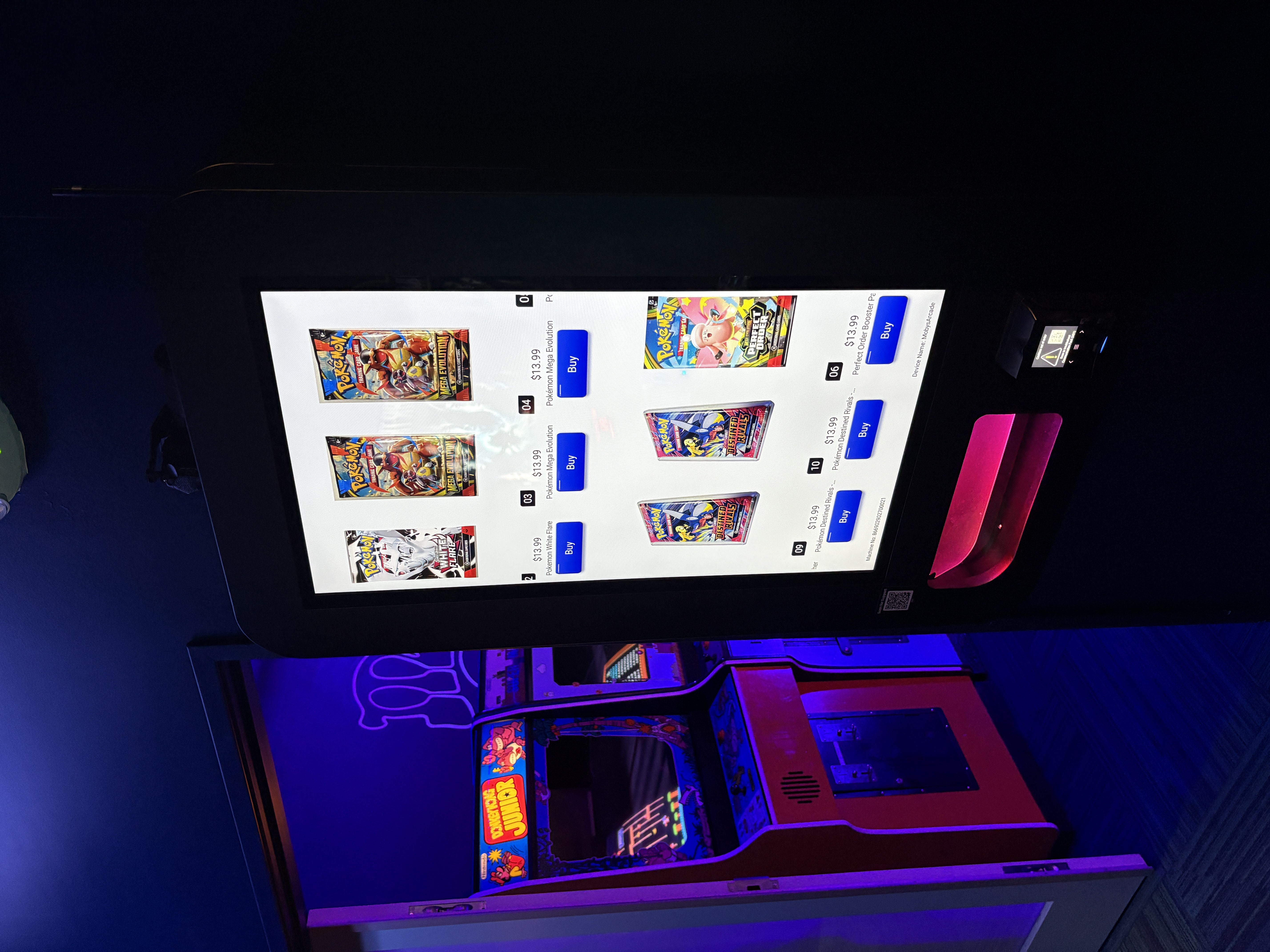
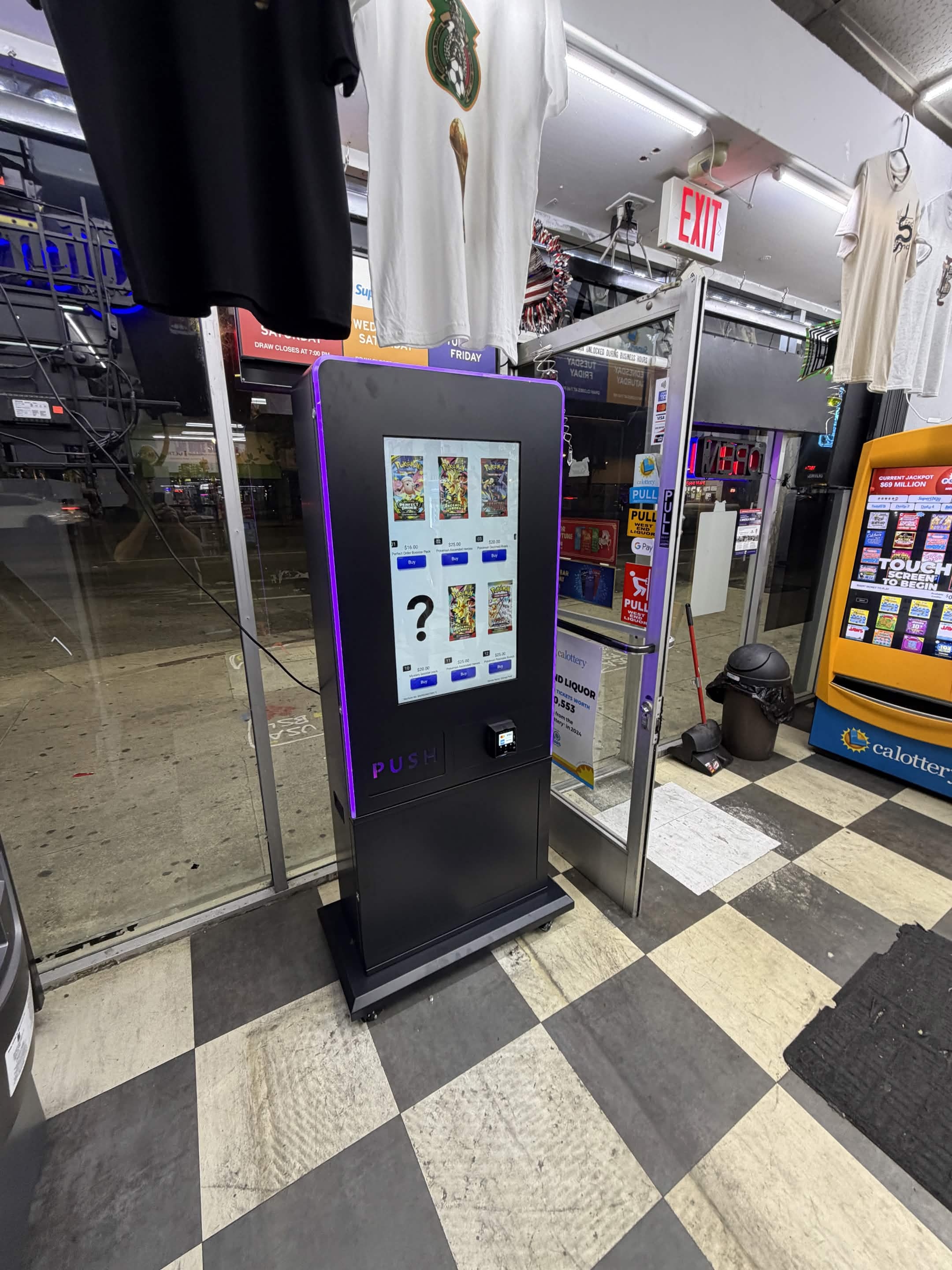
Placement proof
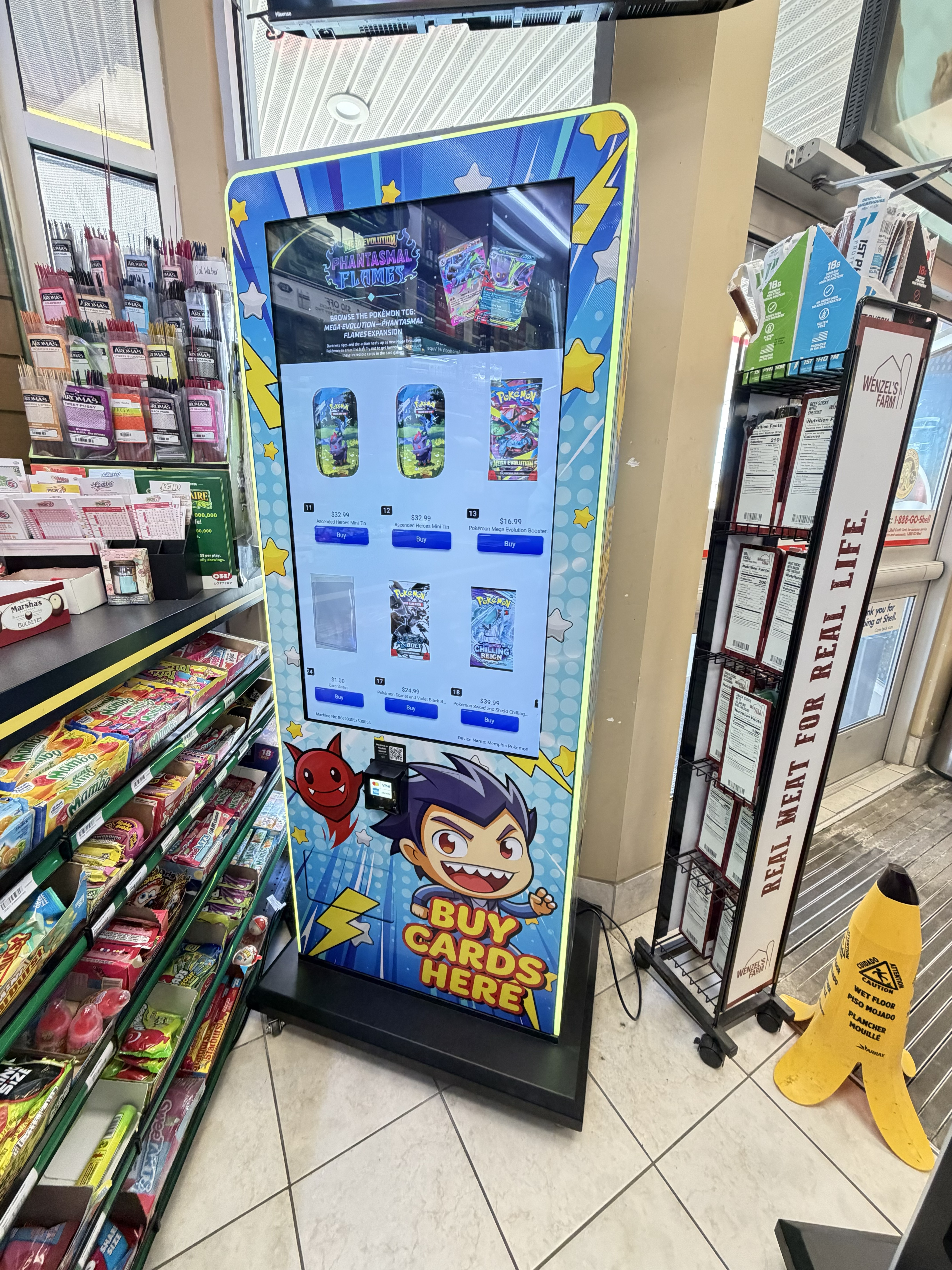
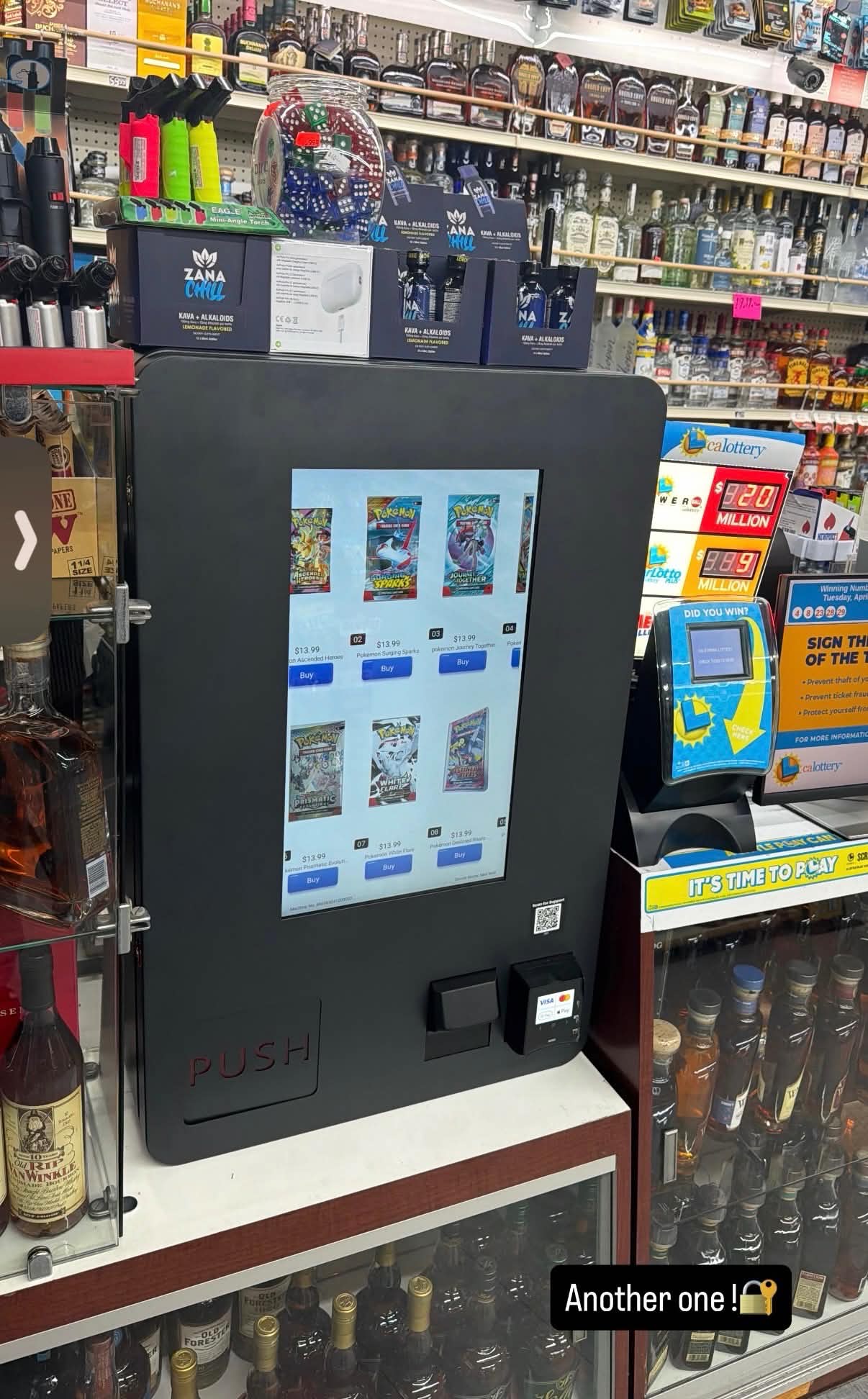
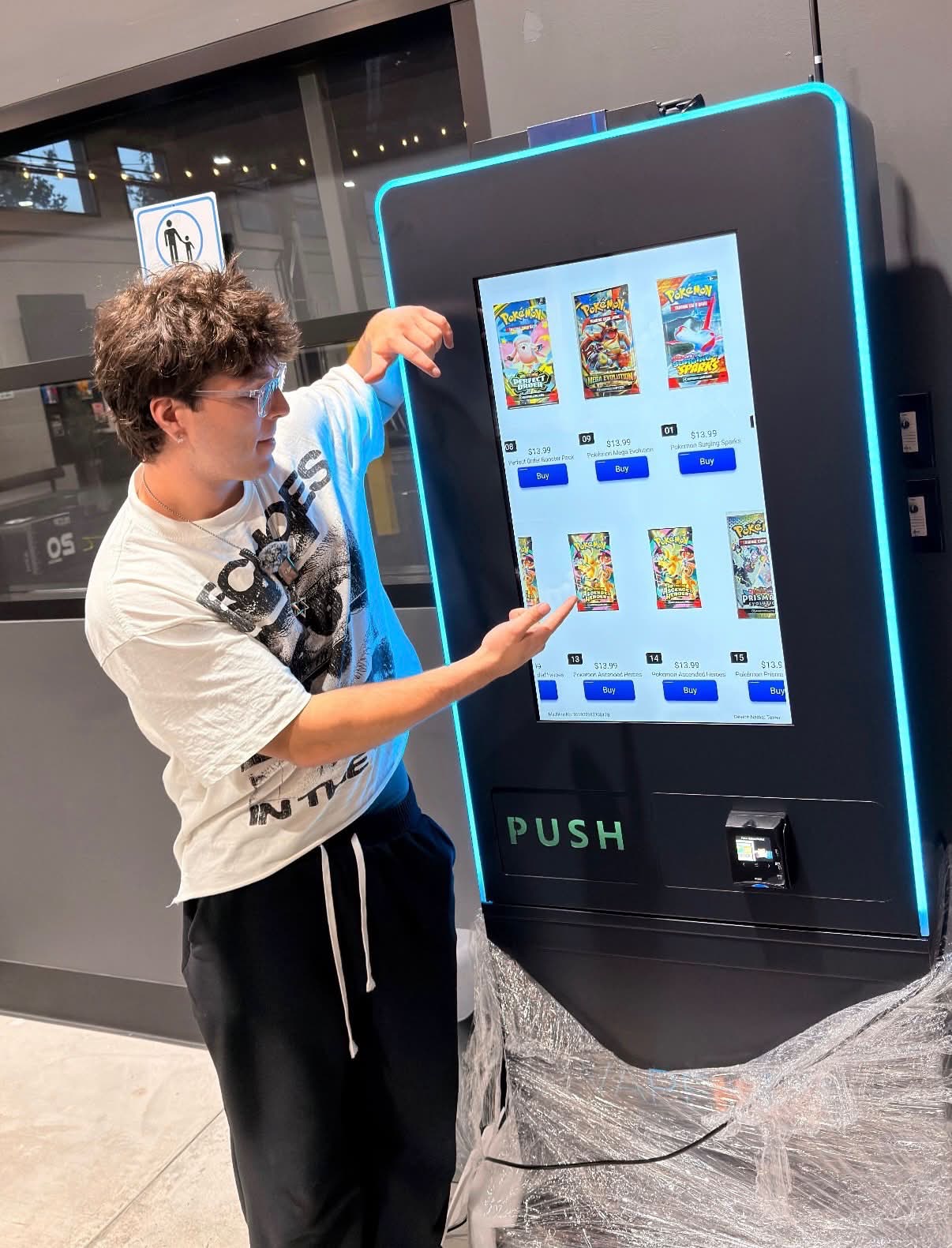
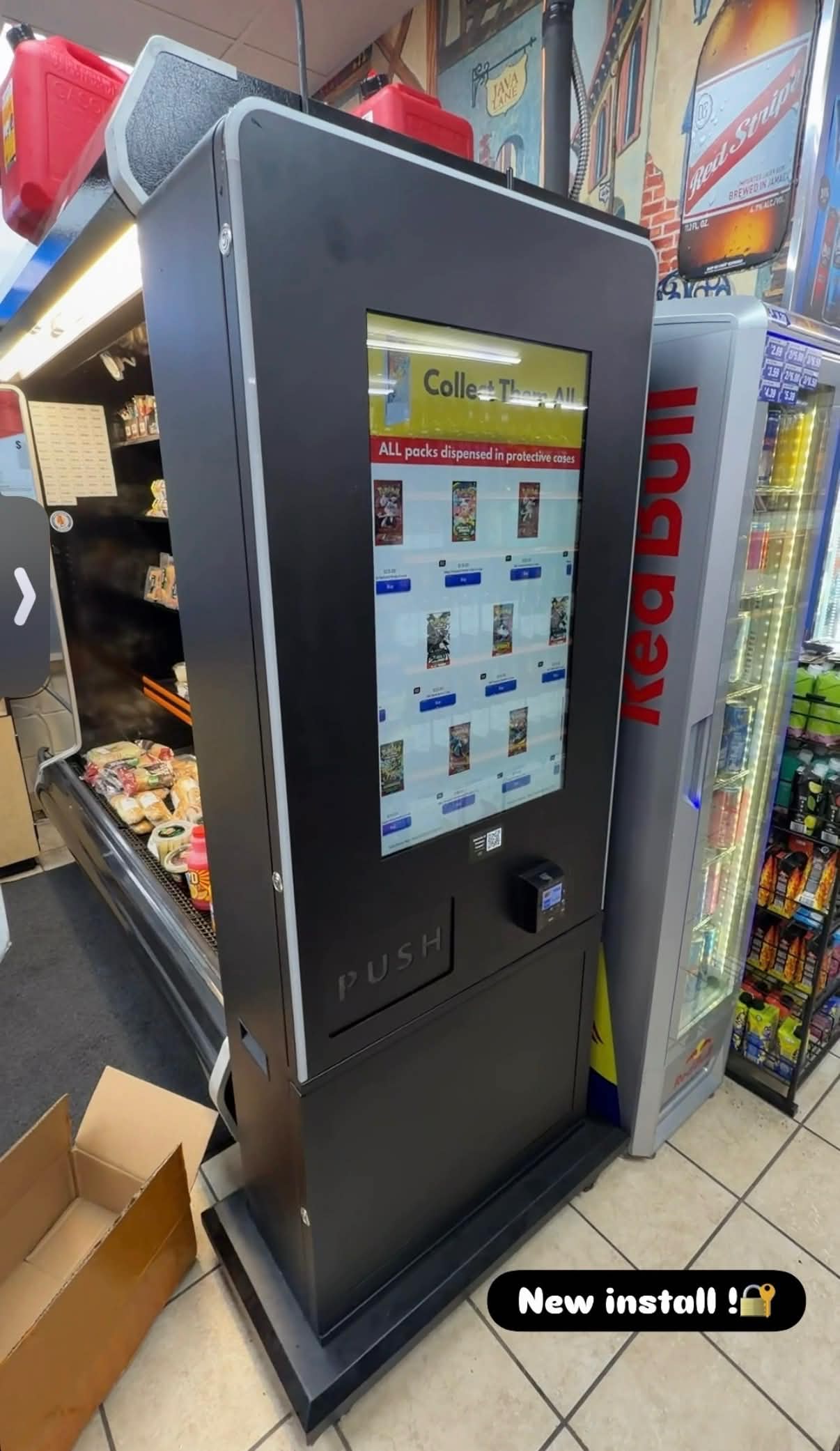
These examples show the kind of compact placements where customers already browse, buy, and make impulse purchases.
Route fit check
Share a few details about your market, schedule, and goals so we can point you toward the next best step.
Results are never guaranteed. Market quality, location selection, execution, inventory, and follow-up all matter.
Got questions?
No. This is designed for beginners who want a physical, local business without piecing together machines, locations, inventory, and owner outreach alone.
You are placing a compact machine inside existing businesses where people are already spending. The model is about convenience, novelty, and placement.
The route can be planned around simple check-ins, remote sales visibility, and restock routines instead of requiring a staffed storefront.
The training walks through product mix, pricing, inventory decisions, and restock thinking so you are not buying random products and hoping.
The pitch focuses on giving the venue a no-cost attraction that can create another reason for customers to stop, browse, and buy.
No. Results vary by market, location quality, execution, inventory choices, pricing, follow-up, and broader business conditions.